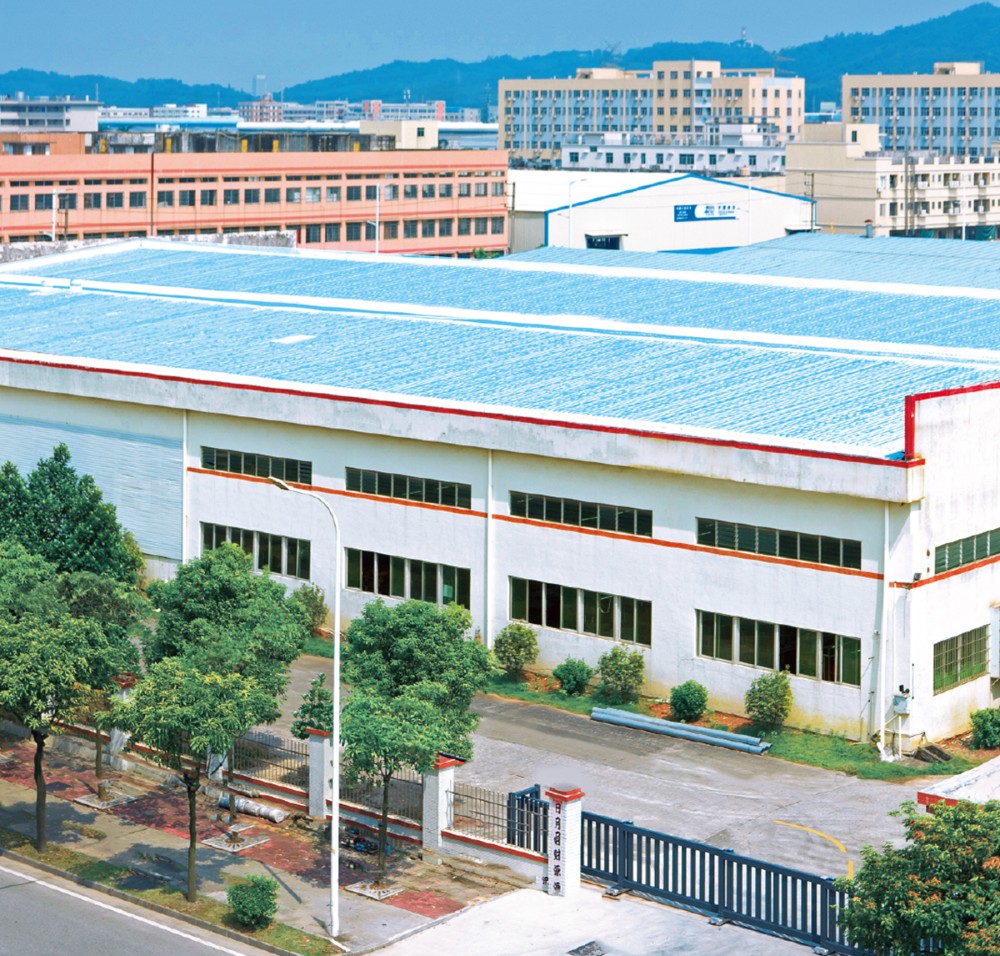
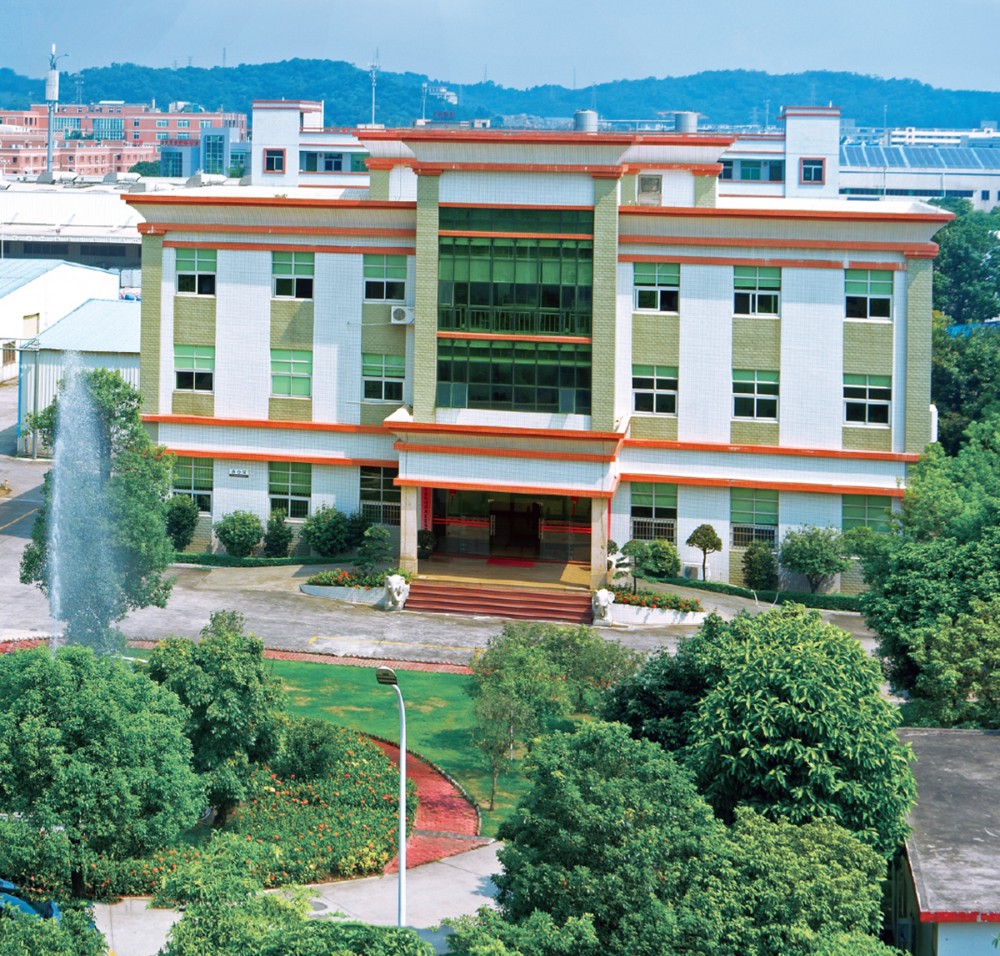
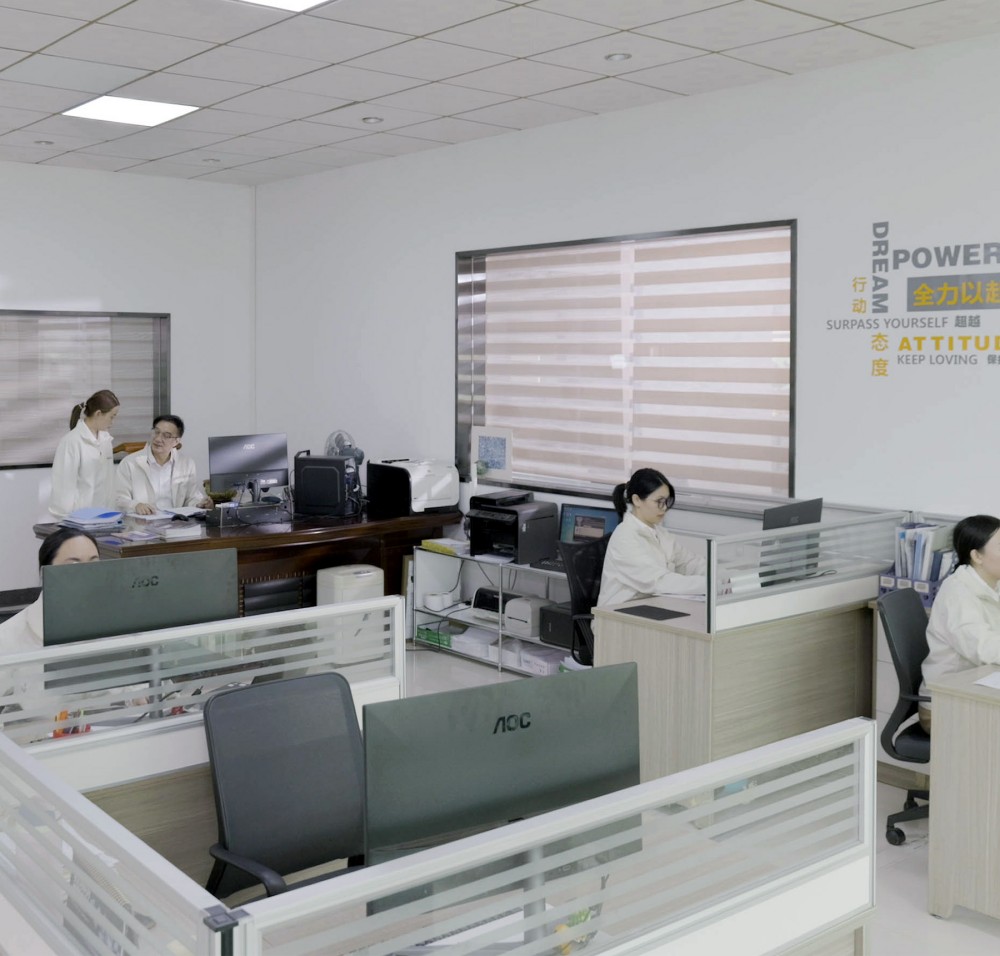
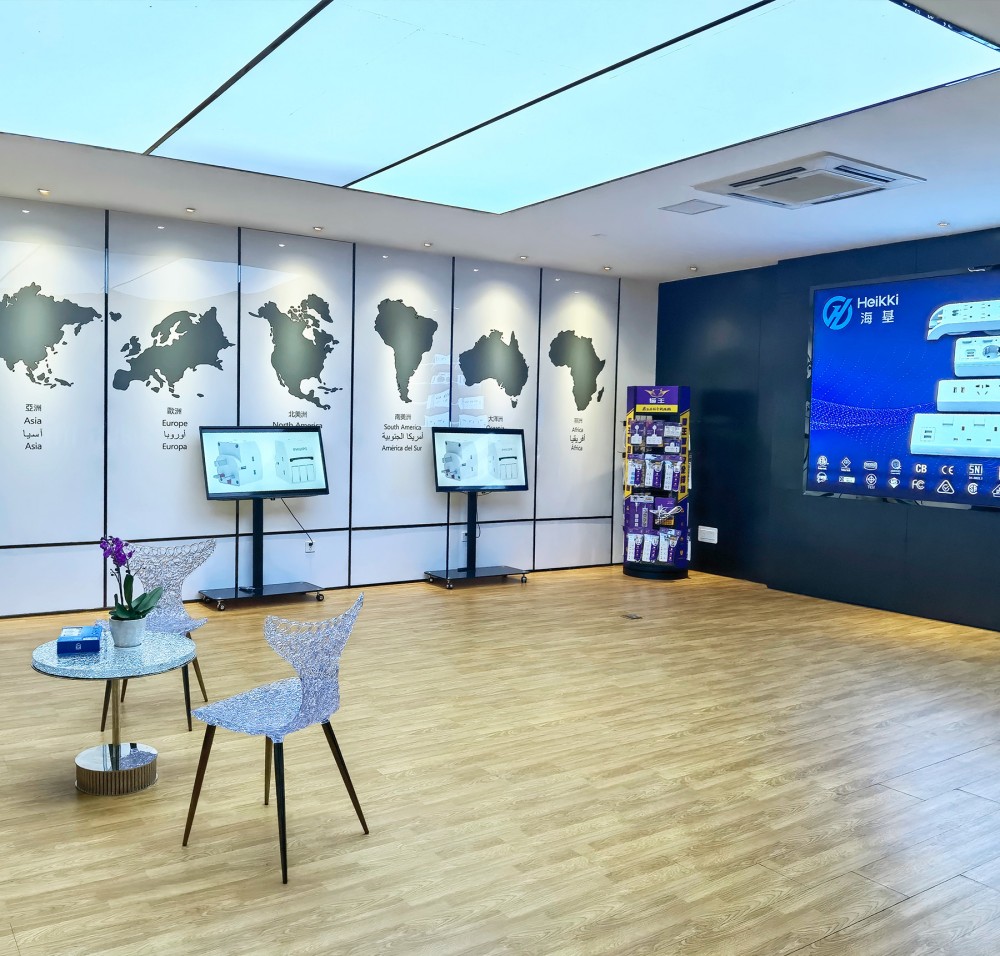
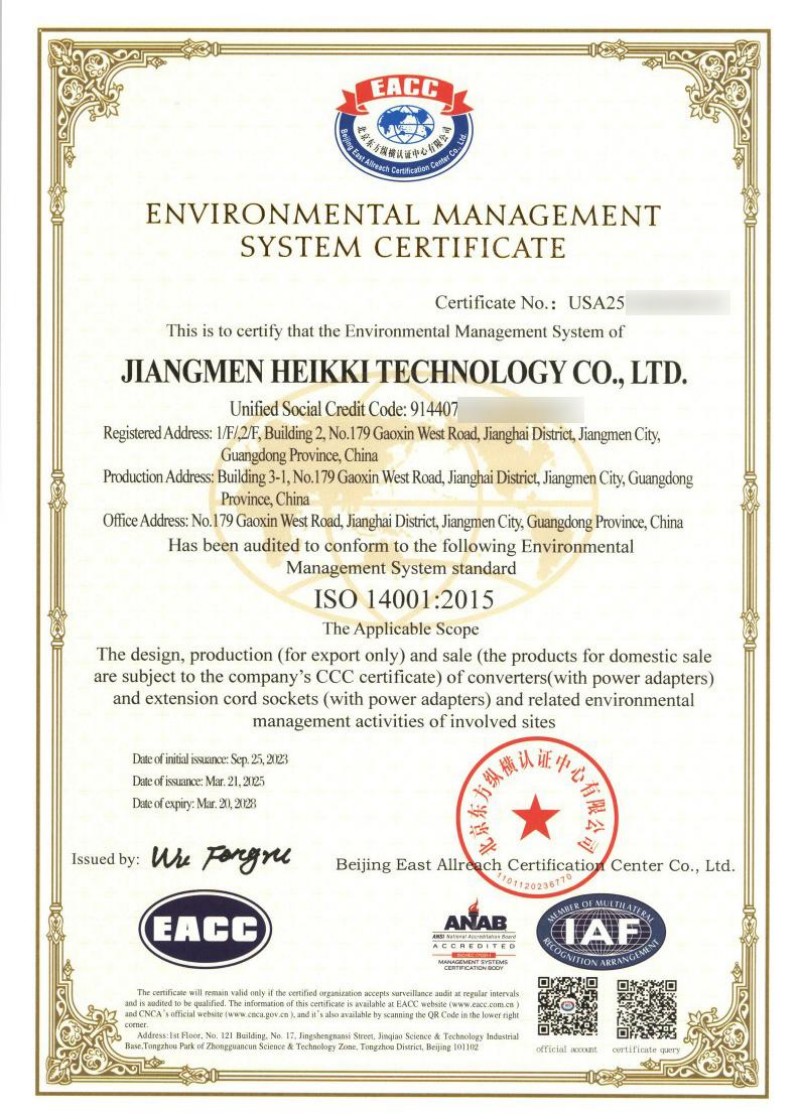
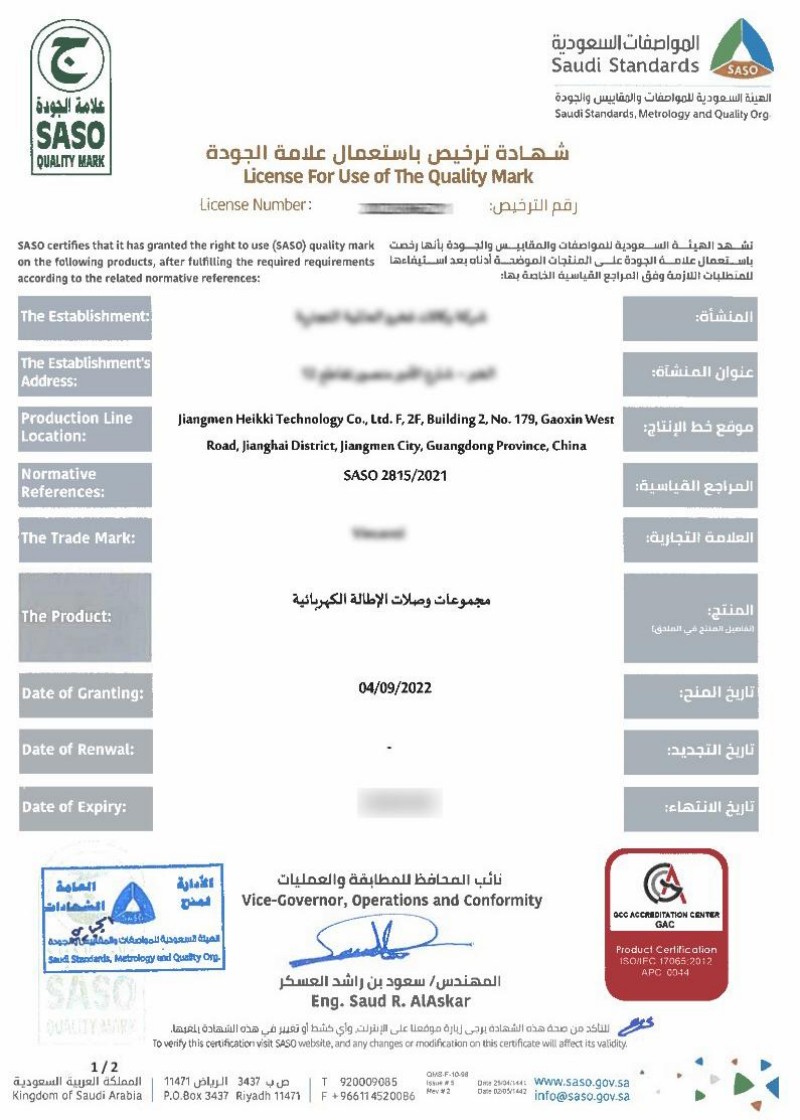
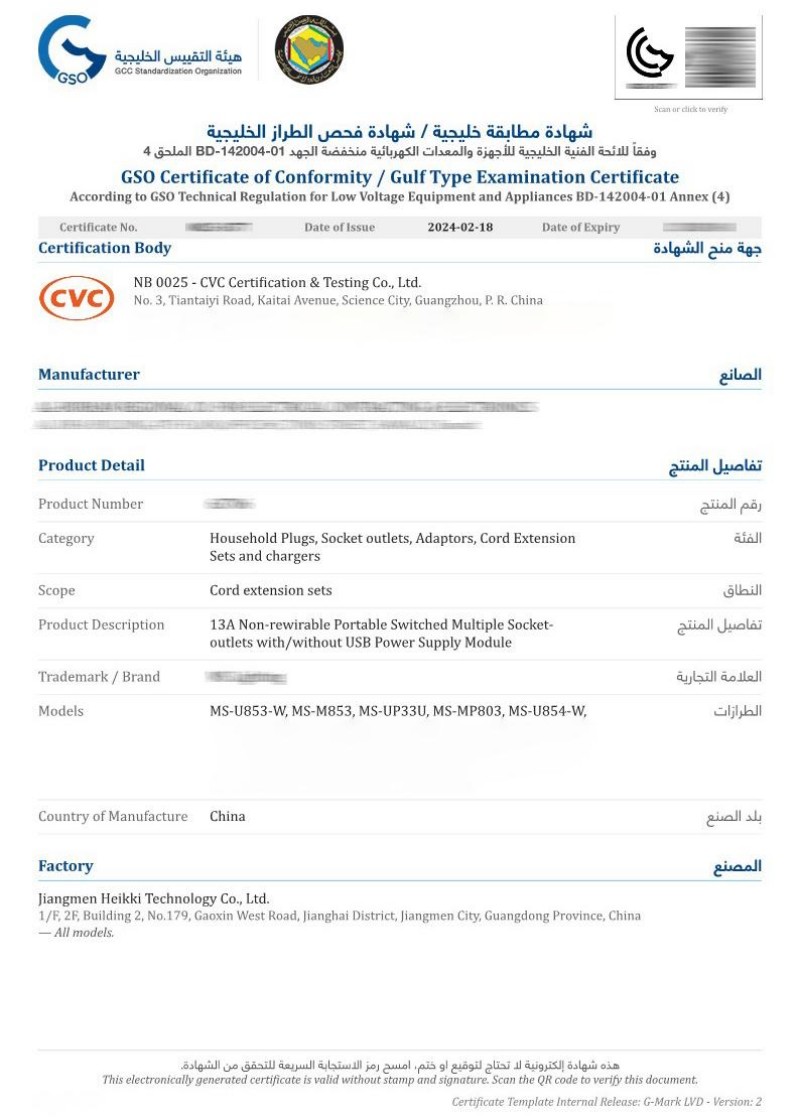
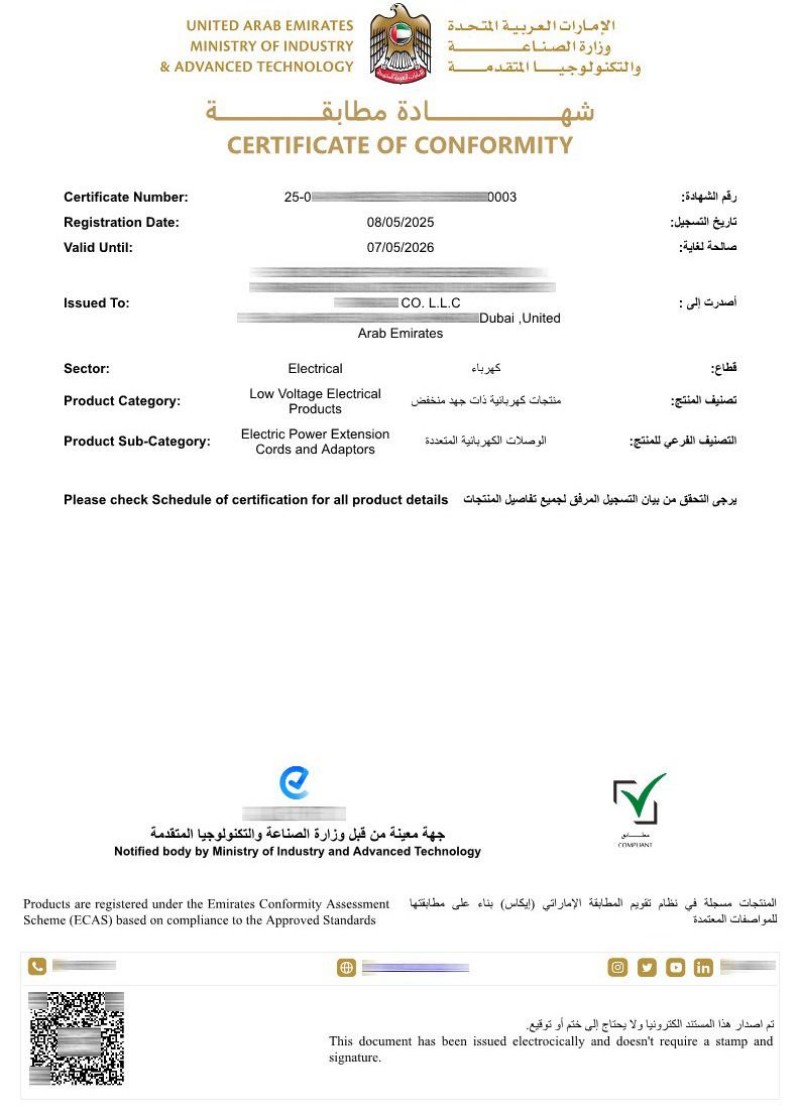
Welcome to learn about our company
Welcome to learn about our company
Welcome to learn about our company
Welcome to learn about our company
Welcome to learn about our company
Welcome to learn about our company
Welcome to learn about our company
Welcome to learn about our company
Welcome to learn about our company
Welcome to learn about our company
Welcome to learn about our company
Welcome to learn about our company
Welcome to learn about our company
Welcome to learn about our company
Welcome to learn about our company
Welcome to learn about our company
Welcome to learn about our company
Welcome to learn about our company
Welcome to learn about our company
Welcome to learn about our company
Welcome to learn about our company
Welcome to learn about our company
Welcome to learn about our company
Welcome to learn about our company
Welcome to learn about our company
Welcome to learn about our company
Welcome to learn about our company
Welcome to learn about our company
Welcome to learn about our company
Welcome to learn about our company
Welcome to learn about our company
Welcome to learn about our company
Welcome to learn about our company
Welcome to learn about our company
Welcome to learn about our company
Welcome to learn about our company
Welcome to learn about our company
Welcome to learn about our company
Welcome to learn about our company
Welcome to learn about our company
Welcome to learn about our company
Welcome to learn about our company
Welcome to learn about our company
Welcome to learn about our company
Welcome to learn about our company
Welcome to learn about our company
Welcome to learn about our company
Welcome to learn about our company
Welcome to learn about our company
Welcome to learn about our company
Welcome to learn about our company
Welcome to learn about our company
Welcome to learn about our company
Welcome to learn about our company
Welcome to learn about our company
Welcome to learn about our company
Welcome to learn about our company
Welcome to learn about our company
Welcome to learn about our company
Welcome to learn about our company
Welcome to learn about our company
Welcome to learn about our company
Welcome to learn about our company
Welcome to learn about our company
Welcome to learn about our company
Welcome to learn about our company
Welcome to learn about our company
Welcome to learn about our company
Welcome to learn about our company
Welcome to learn about our company
Welcome to learn about our company
Welcome to learn about our company
Welcome to learn about our company
Welcome to learn about our company
Welcome to learn about our company
Welcome to learn about our company
Welcome to learn about our company
Welcome to learn about our company
Welcome to learn about our company
Welcome to learn about our company
Welcome to learn about our company
Welcome to learn about our company
Welcome to learn about our company
Welcome to learn about our company
Welcome to learn about our company
Welcome to learn about our company
Welcome to learn about our company
Welcome to learn about our company
Welcome to learn about our company
Welcome to learn about our company
Welcome to learn about our company
Welcome to learn about our company
Welcome to learn about our company
Welcome to learn about our company
Welcome to learn about our company
Welcome to learn about our company
Welcome to learn about our company
Welcome to learn about our company
Welcome to learn about our company
Welcome to learn about our company
Welcome to learn about our company
Welcome to learn about our company
Welcome to learn about our company
Welcome to learn about our company
Welcome to learn about our company
Welcome to learn about our company
Welcome to learn about our company
Welcome to learn about our company
Welcome to learn about our company
Welcome to learn about our company
Welcome to learn about our company
Welcome to learn about our company
Welcome to learn about our company
Welcome to learn about our company
Welcome to learn about our company
Welcome to learn about our company
Welcome to learn about our company
Welcome to learn about our company
Welcome to learn about our company
Welcome to learn about our company
Welcome to learn about our company
Welcome to learn about our company
Welcome to learn about our company
Welcome to learn about our company
Welcome to learn about our company
Welcome to learn about our company
Welcome to learn about our company
Welcome to learn about our company
Welcome to learn about our company
Welcome to learn about our company
Welcome to learn about our company
Welcome to learn about our company
Welcome to learn about our company
Welcome to learn about our company
Welcome to learn about our company
Welcome to learn about our company
Welcome to learn about our company
Welcome to learn about our company
Welcome to learn about our company
Welcome to learn about our company
Welcome to learn about our company
Welcome to learn about our company
Welcome to learn about our company
Welcome to learn about our company
Welcome to learn about our company
Welcome to learn about our company
Welcome to learn about our company
Welcome to learn about our company
Welcome to learn about our company
Welcome to learn about our company
Welcome to learn about our company
Welcome to learn about our company
Welcome to learn about our company
Welcome to learn about our company
Welcome to learn about our company
Welcome to learn about our company
Welcome to learn about our company
Welcome to learn about our company
Welcome to learn about our company
Welcome to learn about our company
Welcome to learn about our company
Welcome to learn about our company
Welcome to learn about our company
Welcome to learn about our company
Welcome to learn about our company
Welcome to learn about our company
Welcome to learn about our company
Welcome to learn about our company
Welcome to learn about our company
Welcome to learn about our company
Welcome to learn about our company
Welcome to learn about our company
Welcome to learn about our company
Welcome to learn about our company
Welcome to learn about our company
Welcome to learn about our company
Welcome to learn about our company
Welcome to learn about our company
Welcome to learn about our company
Welcome to learn about our company
Welcome to learn about our company
Welcome to learn about our company
Welcome to learn about our company
Welcome to learn about our company
Welcome to learn about our company
Welcome to learn about our company
Welcome to learn about our company
Welcome to learn about our company
Welcome to learn about our company
Welcome to learn about our company
Welcome to learn about our company
Welcome to learn about our company
Welcome to learn about our company
Welcome to learn about our company
Welcome to learn about our company
Welcome to learn about our company
Welcome to learn about our company
Welcome to learn about our company
Welcome to learn about our company
Welcome to learn about our company
Welcome to learn about our company
Welcome to learn about our company
Welcome to learn about our company
Welcome to learn about our company
Welcome to learn about our company
Welcome to learn about our company
Welcome to learn about our company
Welcome to learn about our company
Welcome to learn about our company
Welcome to learn about our company
Welcome to learn about our company
Welcome to learn about our company
Welcome to learn about our company
Welcome to learn about our company
Welcome to learn about our company
Welcome to learn about our company
Welcome to learn about our company
Welcome to learn about our company
Welcome to learn about our company
Welcome to learn about our company
Welcome to learn about our company
Welcome to learn about our company
Welcome to learn about our company
Welcome to learn about our company
Welcome to learn about our company
Welcome to learn about our company
Welcome to learn about our company
Welcome to learn about our company
Welcome to learn about our company
Welcome to learn about our company
Welcome to learn about our company
Welcome to learn about our company
Welcome to learn about our company
Welcome to learn about our company
Welcome to learn about our company
Welcome to learn about our company
Welcome to learn about our company
Welcome to learn about our company
Welcome to learn about our company
Welcome to learn about our company
Welcome to learn about our company
Welcome to learn about our company
Welcome to learn about our company
Welcome to learn about our company
Welcome to learn about our company
Welcome to learn about our company
Welcome to learn about our company
Welcome to learn about our company
Welcome to learn about our company
Welcome to learn about our company
Welcome to learn about our company

Leave Your Message