Welcome to learn about our company
Leave Your Message

0%

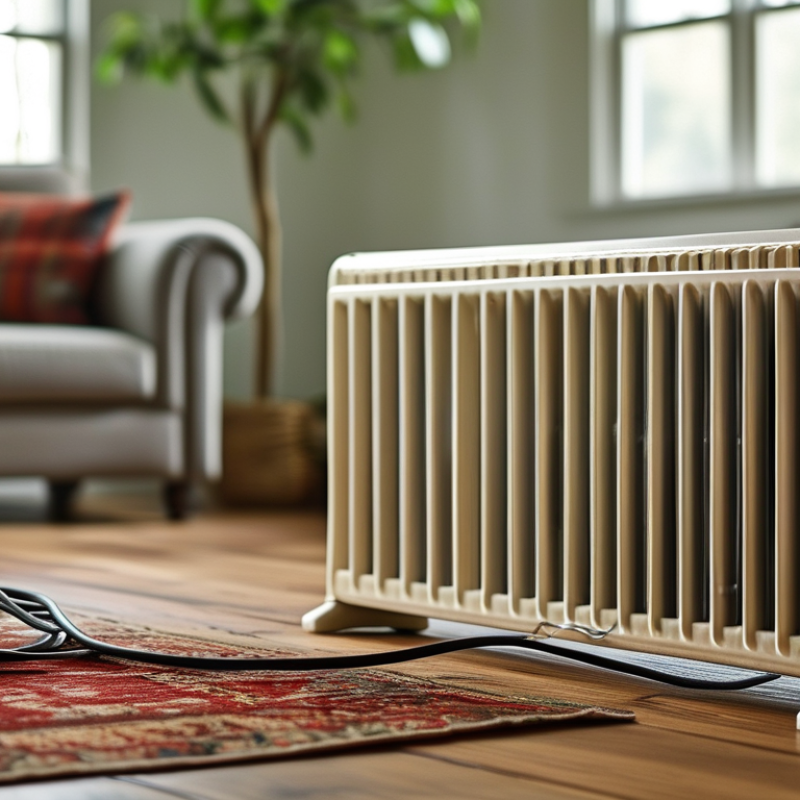
So, you're wondering why you'd even bother using an extension lead for a heater? Well, this isn’t exactly a simple yes or no question. A good extension cord can actually be really handy if you need to position your heater closer to a chilly corner of the room, a work spot, or a temporary living setup. But here's the thing—never treat an extension lead as a permanent fix for a proper wall outlet. It’s just not the same.

Daniel Harper, who’s a senior electrical safety consultant at SafeHome Electrical, puts it this way: “A heater needs a cord rated for its full load, not just one that reaches the socket.” That warning’s pretty important because portable heaters can pull a lot of current. If you’re using a cheap or damaged cable, it might start feeling warm before anyone even notices something’s wrong. It’s the small details that can make a big difference.

This guide is here to help you pick out the right extension lead for your heater, check it over properly, and position it safely. We’ll also talk about whether a 3 socket extension lead makes sense for your setup. Just a heads-up—adding more sockets doesn’t mean more power capacity. Also, don’t connect another extension lead, power strip, or heavy-duty appliance right next to the heater. Keep the cable fully unwound, and stay away from rugs, wet spots, curtains, or places where people walk past a lot. Always check the plug, wiring, and socket for any signs of discoloration, looseness, or damage. And if the lead gets hot, smells weird, or shows any signs of wear—stop using it immediately.

Of course, all this advice is practical, but it’s not one-size-fits-all. Every room layout is different, and heater sizes vary too. A cable that’s fine in one space might be totally unsuitable somewhere else. When in doubt, it’s definitely a good idea to ask a qualified electrician to take a look at your setup. After all, guessing isn’t the way to stay safe.

Why Use an Extension Lead for a Heater?

What an Extension Lead Is and Why It May Be Used with a Heater

An extension lead is a flexible cable with a plug at one end and one or more sockets at the other. It temporarily brings power to equipment beyond a wall outlet. Its safe capacity depends on wire size, length, plug condition, and continuous current rating. A heater can draw substantial power for hours, so the lead may become warm before damage is visible. That detail is easy to miss.

The NFPA Home Heating Equipment Report (2022) recorded an average of 44,210 U.S. home heating fires each year from 2016 to 2020. These fires caused about 480 deaths, 1,370 injuries, and one billion dollars in annual property damage. The report does not blame extension leads alone, but it reinforces the risk of careless heating practices. In practical inspections, a coiled lead under a rug or beside curtains deserves immediate attention.

A heater should normally connect directly to a suitable wall outlet. Use an extension lead only when the heater’s instructions permit it, and choose one with an equal or higher current rating. Keep it fully unwound. Use one heater only. Never connect leads together, hide the cable, or place it beneath furniture. Stop immediately if the plug, socket, or cable feels hot. I would not rely on appearance alone; a lead can look perfect and still be undersized.

Why Use an Extension Lead for a Heater? — What an Extension Lead Is and Why It May Be Used with a Heater
Data Dimension Practical Information Safety Consideration
What an extension lead is A flexible cable with a plug and one or more socket outlets. It extends the distance between an appliance and a fixed wall outlet. An extension lead is not a replacement for a correctly positioned, permanent electrical outlet.
Why it may be used with a heater It may be used when the heater is temporarily needed away from the nearest wall outlet, such as during short-term room heating or rearrangement of furniture. Many electrical-safety authorities advise avoiding extension leads for portable heaters because heaters can draw high current for long periods.
Typical portable-heater power Common portable heaters are often rated between approximately 1,000 W and 2,500 W. The exact rating must be taken from the heater’s identification label or instruction manual. Higher wattage means higher electrical current and greater stress on the cable, plug, socket, and protective device.
Approximate current at 230 V Current = Power ÷ Voltage
1,000 W ≈ 4.3 A
1,500 W ≈ 6.5 A
2,000 W ≈ 8.7 A
2,500 W ≈ 10.9 A
These figures are estimates for a 230 V supply. Current calculations differ in 120 V regions, and the lead must never be operated above its stated rating.
Extension-lead rating The lead’s permissible load is determined by its label, plug, socket assembly, conductor size, length, and local electrical standards. Do not assume that every extension lead has the same rating. The lead’s rating must be equal to or greater than the heater’s required load.
Preferred connection Plug the heater directly into a suitable, properly installed wall outlet whenever possible. Direct connection generally reduces the number of plugs, contacts, and cable joints that can heat up or become loose.
When temporary use may be considered Only consider a suitable extension lead if the heater manufacturer and local electrical-safety guidance allow it, and the lead is correctly rated and in good condition. Use the shortest practical lead, fully unwind a reel lead, and connect only the heater unless the lead is specifically rated for additional appliances.
Overheating risk High-power heaters can cause excessive heating at undersized cables, damaged plugs, loose socket contacts, or overloaded connection points. Stop using the equipment immediately if the plug, socket, cable, or extension lead becomes hot, smells of burning, discolors, crackles, or shows melting.
Extension reels A cable reel should be completely unwound before supplying a high-power appliance. Cable left coiled can retain heat and may increase the risk of insulation damage or fire, even when the total length appears adequate.
Connecting multiple leads Use one appropriate lead rather than joining several extension leads together. Daisy-chaining leads can increase voltage drop, connection resistance, trip risk, and the possibility of overheating.
Power strips and adapters A multi-socket strip or plug adapter adds more connection points and may be shared with other appliances. Do not connect a heater to a power strip or adapter unless the product instructions and its electrical rating clearly permit the load.
Placement of the cable Keep the cable visible and away from rugs, doorways, walkways, hot surfaces, water, and areas where it can be crushed. Covering, trapping, or sharply bending the cable can cause mechanical damage and prevent heat from dissipating.
Heater placement Place the heater on a stable, level, non-combustible surface with the clearances specified by the manufacturer. Keep curtains, bedding, clothing, paper, furniture, and other combustible materials away from the heater and its airflow openings.
Inspection before use Check the plug, cable, socket, strain relief, and extension-lead insulation for cuts, exposed conductors, crushed sections, scorch marks, or loose parts. Do not repair damaged flexible cables with tape or continue using them. Replace the damaged component or have it assessed by a qualified electrician.
Moisture and outdoor use Use only equipment specifically approved for the environment. Keep indoor heater connections dry. Water and electricity present a serious shock hazard. Do not use a standard indoor extension lead in damp or wet locations.
Overcurrent protection A fuse or circuit breaker may disconnect a circuit when current exceeds a safe level. Overcurrent protection does not make an unsuitable, damaged, or overloaded extension lead safe. Never replace a fuse with one of a higher rating.
Use with other appliances Other appliances connected to the same circuit add to the total electrical load. Do not use the same extension lead for a heater and other high-power appliances such as kettles, irons, or cooking equipment.
Supervision Portable heaters should be monitored while operating and switched off when leaving the room or going to sleep, unless specifically designed and approved for another operating method. Never leave a portable heater running unattended, and keep children and pets away from the heater and cable.
Best overall practice Use a correctly rated wall outlet, follow the heater instructions, keep combustible materials clear, and avoid extension leads whenever practical. If there is any uncertainty about compatibility, load, wiring, or local requirements, consult a qualified electrician before use.

How Heater Power Ratings Affect Extension Lead Selection

Why Use an Extension Lead for a Heater?

Heater power ratings determine whether an extension lead is suitable. A common portable heater uses 1,500 watts, according to U.S. Department of Energy guidance. At 120 volts, that equals 12.5 amps. At 230 volts, it draws about 6.5 amps. Check the heater label first. Never guess.

Choose an Outdoor Extension Lead with a current rating above the heater’s calculated load. A heavy-duty, fully unwound cable reduces heat buildup, especially across a cold patio or damp workshop floor. Keep the connection dry and visible. Avoid reels left partly coiled; trapped heat can soften insulation. Use one heater only. Shared sockets invite trouble.

Safety data supports this caution. The National Fire Protection Association reported 48,530 home heating-equipment fires in the United States from 2016 to 2020. Those fires caused 500 civilian deaths and about 1,350 injuries. An extension lead does not increase available power. It only moves the connection point. That distinction is easy to miss.

Cable length also matters. Longer leads can create voltage drop, while undersized conductors may become warm under continuous load. I would recheck the calculation after changing the lead length. That small step is often skipped. The plug, socket, and cable should remain cool during operation; unusual warmth means disconnecting and inspecting the setup.

When Using an Extension Lead with a Heater Is Appropriate

Why Use an Extension Lead for a Heater?

When Using an Extension Lead with a Heater Is Appropriate

An extension lead can help when a heater must reach a nearby seating area or a temporary workspace. It should not replace a suitable wall outlet permanently. Direct connection is normally safer because it reduces extra plugs, joints, and heat at the socket.

Use an extension lead only when the heater instructions allow it. Check the heater’s wattage and the lead’s maximum load before connecting them. A 1,500-watt heater may draw substantial current, especially during long operation. Choose a short, heavy-duty lead with a suitable earth connection. Keep it fully unwound.

Never use a damaged, warm, crushed, or loosely connected lead. Do not connect several leads together. Keep the cable away from carpets, doorways, water, curtains, and the heater’s hot surfaces. It must not sit beneath furniture or become a tripping hazard.

Small details matter.

During a practical check, feel the plug and socket after several minutes. They should remain cool or only slightly warm. Stop immediately if you notice heat, buzzing, discoloration, a burning smell, or repeated trips from the circuit protection. I would also avoid using a lead with an older heater unless its condition and rating are clear. That judgment can feel overly cautious, but heat and electricity leave little room for guessing. When the outlet is distant, overloaded, or poorly maintained, a qualified electrician should install a safer permanent solution.

Key Safety Features to Look for in a Heater Extension Lead

Why Use an Extension Lead for a Heater?

A heater should normally connect directly to a suitable wall outlet. In real homes, furniture or room layout can make that difficult. I have seen people use a short lead near a cold desk, then forget how much heat the cable carries. A heater can draw substantial current for hours. The extension lead must match its power rating, not just its length.

Look for a heavy-duty cable with clear voltage, wattage, and current markings. The plug and socket should feel firm, with no cracks, looseness, or discoloration. Thermal protection and overload protection add useful safeguards. An RCD or GFCI can reduce shock risk when electrical faults occur. These features do not make unsafe use acceptable.

A Two Socket Extension Lead does not safely support two heaters automatically. Check the combined wattage before connecting anything else. Keep the cable fully unwound and away from rugs, curtains, damp floors, and hot surfaces. Never connect one extension lead to another. Inspect the lead before every use. Stop immediately if it becomes warm, smells unusual, or shows melted plastic. I once underestimated how quickly a tightly coiled cable heated under continuous load. That mistake changed my routine. I now keep the heater visible, leave airflow around it, and switch it off before leaving the room. Length alone is not a safety feature.

Why Use an Extension Lead for a Heater?

Heater power determines the current drawn from an extension lead. The values below are calculated at a nominal 230 V supply using the formula: current = power ÷ voltage.

Choose an extension lead with a continuous current rating equal to or higher than the heater's calculated load. Look for a suitable cable cross-section, intact insulation, a correctly rated plug and socket, overload protection where available, and a fully unwound cable reel. Do not connect multiple extension leads together or use a damaged lead. Actual current may vary with supply voltage and the heater's operating cycle.

Step-by-Step Guide to Connecting a Heater Safely

Why Use an Extension Lead for a Heater?

Step-by-Step Guide to Connecting a Heater Safely

A heater is usually safest when connected directly to a suitable wall socket. An extension lead may help when the socket is too far away. However, it must handle the heater’s full electrical load. Check the heater’s wattage, the lead’s maximum rating, and the plug condition before connecting anything. A 5m Switched Extension Lead does not automatically make the setup safe.

Place the lead on a dry, clear floor. Fully unwind it, because coiled cable can build heat during heavy use. Keep it away from rugs, curtains, furniture, water, and busy walkways. Do not connect one extension lead to another. Avoid sharing the lead with another high-power appliance. Keep the heater upright and allow open space around its vents.

Turn the heater off before inserting or removing the plug. Switch it off immediately if the lead, socket, or plug feels hot, smells unusual, or shows scorch marks. Never use damaged equipment. It is easy to focus on distance and forget heat buildup. I would also recheck the connection after several minutes, since a safe-looking setup can change under load. If the rating is unclear, ask a qualified electrician instead of guessing.

Common Extension Lead Mistakes and Electrical Hazards

Why Use an Extension Lead for a Heater?

An extension lead may seem convenient when a heater sits far from a wall socket. However, heaters draw substantial current for long periods. A lead with the wrong rating can become hot, soften, or develop damaged insulation. The plug may feel warm before the danger becomes obvious. Electrical safety guidance recommends checking the heater instructions and the lead’s current rating before use.

Common mistakes include using a thin household lead, leaving a cable tightly coiled, or connecting several leads together. Placing the cable under a rug can trap heat and hide damage. A loose connection can also create heat at the socket. Never use a lead with cracked insulation, bent pins, scorch marks, or a burning smell. Stop immediately if any of these signs appear.

Tips: Use the shortest suitable lead, fully unwind it, and connect one heater only. Keep it away from curtains, water, and high-traffic areas. Check the plug and socket during the first few minutes. They should remain cool. I used to focus only on the heater’s power label, but the condition of the socket matters just as much. If the outlet becomes hot or trips repeatedly, unplug the heater and ask a qualified electrician to inspect the circuit.

񟿿

Why Use an Extension Lead for a Heater?

An extension lead can place a heater closer to a cold room, but convenience should not outrank safety. Heaters draw substantial current, especially during start-up and prolonged operation. A wall socket remains the safer choice whenever the cable reaches. If an extension lead is unavoidable, choose one rated for the heater’s wattage and current. Check the label before connecting anything. A 6 Socket Extension Lead does not mean six appliances should run together. Use one socket only, and leave the remaining outlets empty. More plugs create more opportunities for overload.

Keep the lead fully unwound and away from rugs, curtains, and damp floors. A tightly coiled cable may become hot, even when its outer covering feels normal. Inspect the plug and cable for cuts, loose pins, dark marks, or a burning smell. Stop using it immediately if any appear. Never connect extension leads together. Do not place the cable beneath furniture where heat can build unnoticed. I used to see cable length as the main issue; current capacity matters more. That assumption needs correcting. The heater should stand on a stable surface, with clear space around its vents. Check the connection after several minutes. A warm plug deserves attention. A hot one needs disconnection.

FAQS

: Can I use an extension lead with a heater?

: Usually, a heater should connect directly to a suitable wall outlet. Use an extension lead only when the heater instructions permit it. Direct connection is safer. It reduces extra joints and plug heating.

Why can an extension lead become dangerous with a heater?

Heaters may draw substantial current for several hours. The cable and plug can warm gradually. Visible damage may appear later. A cable can look fine and still be undersized.

What rating should the extension lead have?

Check the heater’s wattage and current requirements. Choose a lead rated equal to or higher than the heater’s load. A short, heavy-duty lead is generally preferable. Do not guess from cable thickness alone.

Should I use every socket on a multi-socket lead?

No. Use one socket for the heater only. Leave the other sockets empty. Several appliances can overload the lead or wall outlet. More plugs mean more possible heating points.

How should I position the extension lead?

Keep it fully unwound and away from hot surfaces. Do not place it under rugs, furniture, or carpets. Keep it away from curtains, doorways, water, and walkways. It must not become a trip hazard.

What warning signs mean I should stop using the lead?

Disconnect it immediately if the plug or socket feels hot. Also stop after noticing buzzing, dark marks, burning smells, or repeated circuit trips. Warm deserves attention. Hot means stop.

Can I connect two extension leads together?

No. Never connect extension leads in series. The combined connection may increase resistance and heating. Do not hide joints behind furniture. That shortcut is not worth testing.

Is an older heater safe to use with an extension lead?

Only if its condition, instructions, and electrical requirements are clear. Inspect the cable, plug, and socket before use. I once treated cable length as the main concern. Current capacity matters more, so that assumption needed correcting.

Conclusion

An extension lead for heater use can provide extra reach when a wall socket is too far away, but it must be chosen carefully because heaters often draw substantial electrical power. Before connecting one, check the heater’s wattage and the lead’s maximum current rating, ensuring the lead can safely handle the load continuously. A heavy-duty, fully unwound lead with intact insulation, a suitable plug, and built-in overload protection is generally more appropriate than a lightweight household lead.

To use it safely, inspect the cable and sockets, connect the lead directly to a wall outlet, and keep it away from water, heat sources, carpets, and areas where it may be crushed or tripped over. Do not connect multiple extension leads together, use damaged equipment, or cover the cable while the heater is operating. If the plug, socket, or cable becomes hot, smells unusual, sparks, or shows signs of damage, switch off the heater and disconnect it immediately. When possible, plugging the heater directly into a suitable wall socket remains the safest option.

Marigold

Marigold

Marigold is a seasoned marketing professional at Jiangmen Heikki Technology Co., Ltd., a reputable manufacturer with over three decades of experience in producing power strips and adapters. With a strong focus on customer needs, Marigold excels in providing tailored OEM/ODM solutions that......
Previous China Top Hidden Desk Extension Lead Manufacturers