Welcome to learn about our company

Leave Your Message

0%

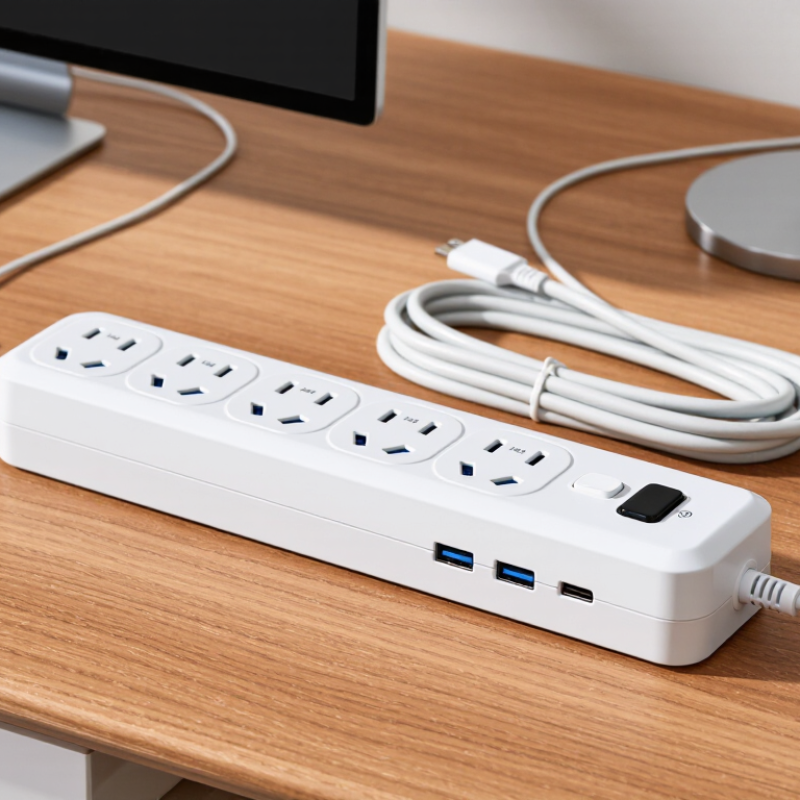
Picking a 2026 top extension lead with USB isn’t just about counting sockets. If I were setting one up in a home office, I’d check how flexible the cable feels, whether plugs fit snugly, how the switches respond, and whether the area around the USB module gets warm. A small desk setup might be fine with 2 USB-A 1 USB-C Ports, but a kitchen counter? That needs more thought about spacing and load. And USB-C doesn’t automatically mean fast charging—check the stated power output. Tiny detail, big difference. The best one should keep phones, lamps, and monitors tidy without a tangled cable stretching across a walkway. Measure first. I’ve seen good-looking leads fail real life because the cable was too short, covers were loose, or USB ports slowed down when shared. That’s why I tend to question product claims.

For a solid comparison, look at rated current, cable build, surge protection claims, heat performance, and independent safety certification. Manufacturer instructions matter too—especially if several high-wattage appliances share one lead. Clear markings, strain relief, child protection where it makes sense, and a replacement policy from a known supplier are all worth checking. Masterplug, Belkin, and Anker can be useful references, but a brand name doesn’t remove the need to read the specs. Real testing should mean charging two devices at once, feeling plug temperature after sustained use, and confirming whether the USB-C port actually supports the advertised standard. Results can vary. That’s the annoying part. A lead that looks premium can still be disappointing in a crowded room. This guide compares design, electrical confidence, charging convenience, and everyday durability, so readers can choose based on evidence, not glossy packaging. And yeah—recheck what you actually need before buying.

2026 Top Extension Lead With USB How to Choose?

What Is a USB Extension Lead and How Does It Work?

A USB extension lead is a cable that lengthens the connection between a USB device and a host port. It carries electrical power and digital data through separate wires. A phone charger may use it for extra reach. An external drive may use it to connect across a desk. The host sends signals through the cable, while the device requests suitable power. However, the extension does not automatically increase charging speed or data performance.

USB-IF specifications show that USB 3.2 can support data rates up to 20Gbps, while USB Power Delivery 3.1 can negotiate power up to 240W. These figures describe compatible systems, not every extension lead. Cable length, shielding, connector quality, and device limits still matter. A cheap, long lead may cause slower transfers, unstable drives, or intermittent charging. I would not trust speed claims without checking certification details. That assumption is easy to make.

Tips: Match the lead with your device’s USB generation and connector type. For high-speed storage, choose a short, certified cable with clear bandwidth labeling. For charging, check its supported power rating and the charger’s output. Test the connection under real use, not only when the device is idle. Keep the cable away from sharp bends and hot surfaces. Industry testing often focuses on ideal conditions; your crowded desk may behave differently.

2026 Top Extension Lead With USB: How to Choose?

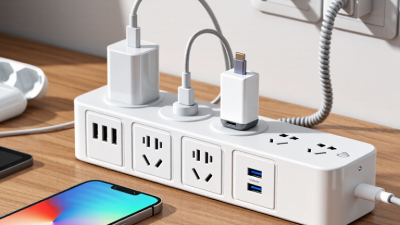
A USB extension lead combines mains sockets with USB charging ports. The USB section converts the incoming AC power into low-voltage DC power, typically 5 V, while USB-C Power Delivery can negotiate higher voltage and power when both the charger and device support it.

How to read the chart: Higher rated USB output can charge compatible devices faster, but the actual charging speed depends on the device, cable, charging protocol, and the extension lead’s safety design. For phones and small accessories, 7.5–15 W may be sufficient. For tablets and laptops, choose a USB-C Power Delivery model with an output rating suitable for the device.

Which Power Rating and Cable Length Should You Choose?

2026 Top Extension Lead With USB How to Choose?

Power rating matters more than the number of sockets. Add the wattage of every connected appliance, then choose an extension lead rated comfortably above that total. A heater, kettle, or power tool can consume far more electricity than a charger. Check the label, not the appearance. A T-Adapter with USB A and USB C can charge devices conveniently, but its USB output does not increase the lead’s total mains capacity.

I once focused on socket count and overlooked the load rating. That was a useful mistake.

Cable length affects convenience, heat, and voltage stability. For a desk, bedside table, or kitchen counter, one to three metres usually keeps the cable tidy. Longer runs can create extra resistance, especially when powering high-wattage equipment. Choose a heavier-rated cable when distance increases. Keep it fully uncoiled during substantial loads. Coiled cable can trap heat.

Think about your actual setup. A short cable may force tight bends behind furniture. An oversized cable may become a trip hazard. USB-C charging speed also depends on the adapter’s output, not just the connector shape. Look for clear wattage information and appropriate safety certification.

I would avoid products with vague specifications, even when the price looks attractive. Recheck the rating after adding new devices. Small changes can exceed the original calculation.

How to Select the Right USB Ports and Charging Speed

Choosing a 5m Usb Extension Lead starts with the devices you actually charge. A phone may need modest power, while a tablet, camera, or laptop needs more. Check the port type, then compare its output in watts and amps. USB-C often supports faster charging, but the connector alone proves nothing. The charger, cable, and extension lead must share compatible charging standards. I once assumed a long cable would charge equally fast; it did not. Heat and voltage loss appeared near the desk.

Tips: Read the printed output beside each port. Choose a lead with enough total wattage for simultaneous charging. For fast charging, look for USB-C Power Delivery support and the required wattage. Avoid judging performance by color, shape, or price. Keep the lead uncoiled during heavy charging. That small habit can reduce heat.

Consider how the lead will be used daily. A five-meter length can reach a sofa, but extra cable may create clutter. For charging only, speed and heat control matter most. For phones and tablets, 20W to 30W may be sufficient. Larger devices can require 60W or more, depending on their specifications. Check safety markings, insulation quality, and warranty information from a reliable seller. I would also test one device before connecting several. My first choice was not always the most convenient one.

What Safety Features Should a Quality Extension Lead Include?

2026 Top Extension Lead With USB: How to Choose?

A quality extension lead should protect people before it powers devices. Look for overload protection, a correctly rated fuse, and a thermal cut-off. These features can reduce heat when several appliances run together. The cable should match the expected load, not just the socket count. A thick, flexible cable usually handles demanding equipment better than a thin decorative cord.

Check for grounded sockets, secure plug contacts, and child-safe shutters where required. For damp areas, choose suitable water-resistance protection and keep connections away from standing water.

Some locations may also require residual-current protection, such as an RCD or GFCI. Requirements differ by country, so a local electrician or safety authority is worth consulting. Certification markings should be genuine and traceable, not simply printed decoration.

USB ports need careful attention too. Choose models with over-current, over-voltage, and short-circuit protection. USB outputs should remain stable when several devices charge at once. Feel the casing after extended use. Warm is common; hot is a warning.

I also inspect the strain relief, because repeated bending often damages leads before users notice.

No checklist is perfect. Even a certified lead can become unsafe when crushed under furniture, coiled tightly during use, or connected to another extension lead. A small warning label may deserve more attention than a large product claim.

How Do Plug Types, Socket Layouts, and Materials Affect Choice?

Choosing a top extension lead with USB starts with the plug type. Match it to your wall outlet, not just the country name. Some plugs offer grounding, while others suit double-insulated devices only. Check the voltage, current rating, and USB output before connecting several devices.

Socket layout matters in daily use. Wide spacing helps bulky adapters sit beside each other. Angled sockets can keep cables away from a desk edge. A Short Usb Extension Lead works well beside a bed or on a compact workstation. However, short cables can create tension when outlets are poorly positioned. I have overlooked this before.

Tips: Count your devices first. Leave one socket free. Choose covered USB ports in dusty rooms. Look for clear overload protection. Test the lead with low-power devices before regular use.

Material affects heat, flexibility, and service life. A firm outer jacket resists desk friction, while softer insulation bends more easily behind furniture. The plug should feel solid, with no loose movement. USB ports should fit cables tightly, but not require force. Flame-resistant materials are preferable for added protection, though material labels need careful reading. A neat appearance is not enough. Feel the cable. Check its markings. Reconsider any lead that becomes warm during normal charging.

How to Compare USB Extension Leads for Home, Office, and Travel Use?

Choosing a USB extension lead depends on the device, distance, and daily setting—not just socket count. USB-IF’s USB Power Delivery 3.1 specification supports power levels up to 240 watts, but every part must support that level. A phone usually needs 20–30 watts, while many laptops require 65 watts or more. Check the lead’s rated wattage, USB-C compatibility, connector type, and data speed. A Usb Port Extension Lead may look identical to another, yet perform very differently.

For home use, a 1–2 metre lead with several charging ports can reduce clutter beside a sofa or bedside table. Office users should prioritise stable data transfer, strong strain relief, and enough output for monitors, laptops, and phones. Travel leads should be lighter, shorter, and easy to coil inside a small pouch. The Global E-waste Monitor 2024 reported 62 million tonnes of electronic waste in 2022, with projections reaching 82 million tonnes by 2030. Durable cables matter, although I sometimes overestimate how long braided coverings will last.

Tips: Match wattage before length. Test charging with your real laptop. Avoid sharply bending the connector. Look for clear safety and performance ratings, not vague “fast charge” wording. If a lead becomes noticeably warm, stop using it and investigate.

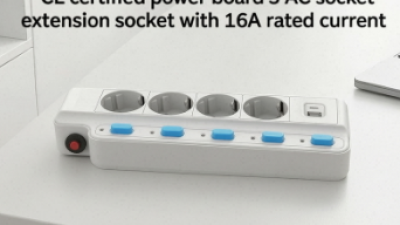
EU CE-Certified 5-AC-Socket 16A Extension Boards: Insights from IEA and EC Electrical Safety Data Reports

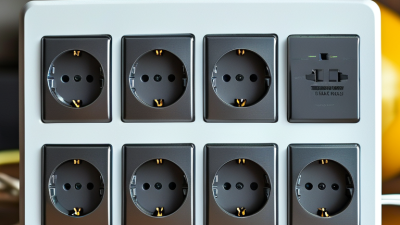
For households and workplaces evaluating EU-compliant extension boards, the latest safety priorities highlighted in IEA and European Commission electrical-safety reporting include fire prevention, insulation reliability, overload awareness, and secure connections. This 16A double-pole extension board is designed around these principles, using imported flame-retardant materials to improve fire resistance and electrical insulation. Manufactured to CE-LVD and CE-EMC standards, it supports safer operation while helping reduce electromagnetic interference in everyday environments. Its four AC outlets are controlled by independent switches, allowing users to power devices separately or operate several appliances at the same time without repeatedly unplugging them.

Two integrated USB output ports provide convenient charging for mobile phones and other compatible devices without requiring an external adapter. Inside, high-quality brass terminals are formed through precision punching, helping resist oxidation while maintaining elasticity and reliable contact pressure. This construction reduces the risk of loose connections and deformation during regular use. For consumers comparing EU electrical products, the combination of flame-retardant housing, double-pole switching, individually controlled sockets, and CE-compliant design makes this extension board a practical choice for organized power distribution and routine device charging.

FAQS

What is a USB extension lead?

It lengthens the connection between a USB device and a host port. It carries power and digital data through separate wires. It adds reach, not automatic performance.

Does a USB extension lead increase charging speed?

No. Charging speed depends on the charger, device, cable, and charging standard. A long lead may cause voltage loss or extra heat. Not always faster.

How can I choose the correct USB extension lead?

Match the connector type and USB generation with your devices. Check bandwidth, power rating, insulation, and safety markings. Do not judge by color or price.

What power rating should I check for charging?

Read the charger’s output in watts and amps. Phones and tablets may need 20W to 30W. Larger devices can require 60W or more. Check the device specifications.

Is a five-meter USB extension lead suitable for every use?

It can reach a sofa or distant desk, but extra cable creates clutter. Longer leads may reduce stability during high-speed data transfers. For storage devices, choose a shorter certified lead when possible. Shorter is safer.

What safety features should a quality extension lead include?

Look for overload, over-current, over-voltage, and short-circuit protection. A thermal cut-off can help limit dangerous heat. Grounded sockets, secure contacts, and suitable insulation also matter. A printed claim is not proof.

How should I use a USB extension lead safely?

Keep it away from sharp bends, hot surfaces, water, and heavy furniture. Uncoil it during heavy charging to reduce heat. Do not connect extension leads together. Warm is common. Hot is a warning.

How can I test whether an extension lead works properly?

Test charging and data transfers under real working conditions. Try the device while storage activity or multiple charging is underway. Watch for interruptions, slow transfers, unusual warmth, or loose connections. Idle testing can mislead you.

Conclusion

Choosing the right Extension Lead With Usb starts with understanding how it combines traditional power sockets with USB charging ports in one convenient unit. Consider the total power rating and select a cable length that reaches your devices without creating unnecessary clutter. USB port type and charging speed are also important, especially when charging several phones, tablets, or other devices at once. A suitable model should provide stable output and enough capacity for your everyday needs.

Safety should remain a priority. Look for overload protection, surge protection, heat-resistant materials, secure socket covers, and a strong, well-insulated cable. Plug compatibility, socket arrangement, spacing, and overall construction can affect convenience in different locations. For home use, focus on capacity and organization; for offices, choose flexible layouts and multiple charging options; for travel, prioritize compact size, portability, and plug compatibility. Comparing these features will help you select a dependable extension lead for safe and efficient daily use.

Maxwell

Maxwell

Maxwell is a dedicated marketing professional at Jiangmen Heikki Technology Co., Ltd., a leading manufacturer with over 30 years of expertise in power strips and adapters. With a profound understanding of the company's innovative product line, Maxwell excels in crafting engaging and informative......
Previous 2026 Top Black Extension Lead 5m Types for Global Buyers